

After a crash, it is common to expect some soreness. But when neck stiffness after a car accident starts to limit how far you can turn your head, makes it painful to sleep, or comes with headaches and muscle tightness, it deserves closer attention. Many people assume any neck problem after a collision must be whiplash. Whiplash is certainly common, but it is not the only reason your neck may feel stiff or restricted after an accident.
In some cases, the problem is a soft tissue injury that improves with proper care. In others, the stiffness may be tied to irritated joints, a disc injury, or nerve involvement.
Why Neck Stiffness Can Develop After an Accident
A crash forces the neck to absorb movement it was not prepared for. The head may snap forward, backward, or sideways in a fraction of a second, placing stress on the soft tissues and joints that normally allow the neck to move in a controlled way. Even in a lower-speed accident, that sudden force can be enough to leave the neck inflamed, restricted, and painful.
One reason this symptom gets misread is timing. Pain does not always peak at the scene of the accident. In the first few hours, adrenaline can blunt discomfort. Later, as inflammation increases and the body starts reacting to tissue damage, stiffness may become more noticeable. That is why some people feel relatively normal right after a crash, then wake up the next morning barely able to turn their head.
Is It Whiplash or Something Else?
Whiplash is one of the most common explanations, but it is not a catch-all diagnosis. The term refers to a rapid back-and-forth motion of the neck that injures the surrounding soft tissues. It is common after rear-end collisions, but similar forces can happen in other types of crashes too.
The problem is that whiplash shares symptoms with several other injuries. Neck pain, stiffness, headaches, and reduced motion can all show up with whiplash, but they can also appear with joint irritation, muscle strain, or disc involvement.
Read: Can Whiplash Cause High Blood Pressure?
What Else Can Cause Neck Stiffness After a Car Accident?
Muscle Strain or Ligament Sprain
The impact of a crash can overstretch muscles or ligaments in the neck. These injuries typically cause:
- Tightness and soreness
- Discomfort when turning your head
- Mild to moderate stiffness
Facet Joint Irritation
The small joints that connect your vertebrae can become inflamed or restricted after an accident. This may result in localized stiffness and reduced mobility.
Disc Injuries
A car accident can damage the discs in your neck, causing them to bulge or herniate. When this happens, you may experience:
- Stiffness combined with sharper pain
- Pain that radiates into the shoulders or arms
- Tingling or numbness
Pinched Nerves (Cervical Radiculopathy)
If a nerve becomes compressed, symptoms may extend beyond stiffness and include:
- Numbness or tingling in the arms or hands
- Weakness in the upper body
- Radiating pain
These symptoms often require prompt evaluation.
Common Symptoms to Watch For
If you’re dealing with neck stiffness after a car accident, you may also notice:
- Difficulty turning or moving your neck
- Pain that worsens with activity
- Headaches or pressure at the base of the skull
- Muscle tightness or spasms
- Fatigue or trouble sleeping
- Tenderness in the neck area
Tracking how your symptoms change over time can help identify the underlying cause.
When Neck Stiffness May Be a Sign of Something More Serious
Mild soreness after a collision is common, but some symptoms deserve quicker attention. Severe pain, worsening stiffness, dizziness, balance problems, persistent headaches, numbness, tingling, weakness, or pain that travels into the arms should not be ignored.
These symptoms may suggest that the injury involves more than muscle tension. They can point to nerve involvement, disc damage, or other structural problems in the cervical spine. Early evaluation can help rule out more serious issues and reduce the chance of ongoing complications.
Treatment Options for Neck Stiffness After a Car Accident
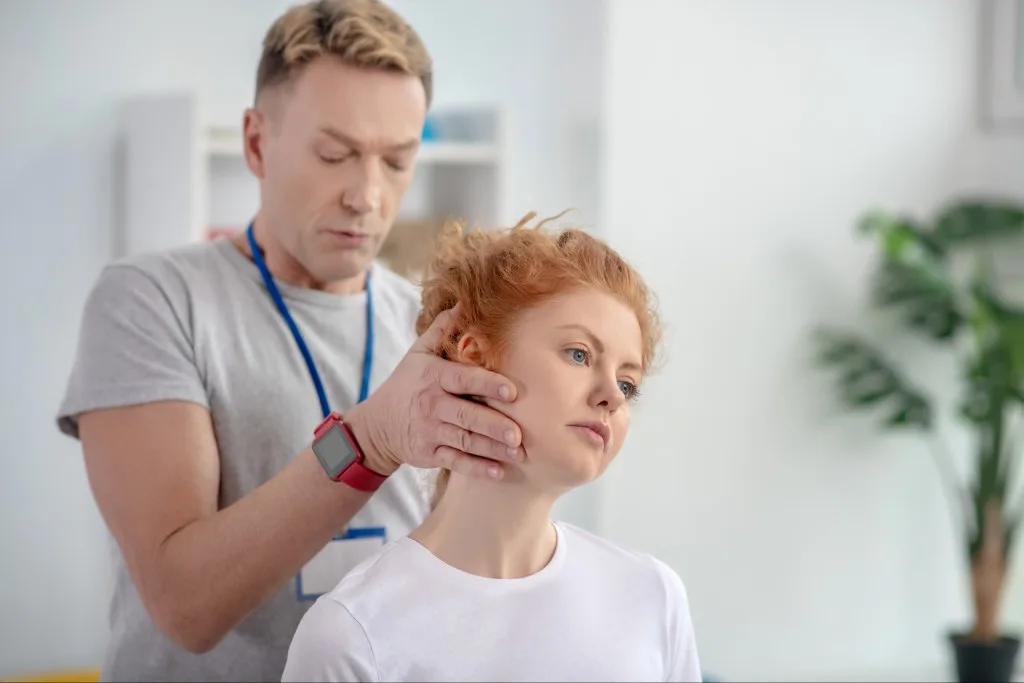
Treatment depends on the source of the stiffness, not just the symptom itself. That is why a proper evaluation matters first. Once the likely cause is identified, treatment often includes a combination of approaches rather than one single solution.
Chiropractic Care
Chiropractic care is often used to improve spinal movement, reduce joint restriction, and relieve pressure contributing to pain and stiffness. In accident cases, treatment may also include supportive therapies aimed at calming inflammation and improving mobility.
For patients with crash-related injuries, it helps to work with a provider who regularly treats accident trauma. Neck stiffness may look simple on the surface, but the underlying problem is not always obvious without an informed exam.
Physical Therapy
Physical therapy can help restore strength, flexibility, and range of motion. Guided exercises are often useful once the most acute pain begins to settle and the focus shifts toward regaining normal movement.
Medication
Over-the-counter or prescription medications may help reduce inflammation and make pain more manageable in the early stage of recovery. In some cases, muscle relaxants may also be recommended if muscle guarding is making the stiffness worse.
Heat, Cold, and Other Supportive Therapies
Cold therapy is generally more helpful in the early phase when swelling and inflammation are more active. Heat may be more useful later when tight muscles and limited motion become the bigger problem. Massage therapy and acupuncture may also help some patients reduce tension and discomfort as part of a broader treatment plan.
What You Can Do to Support Recovery
The recovery process often improves when people address symptoms early and stay consistent with treatment. Waiting too long, resting too much, or assuming the problem will simply work itself out can sometimes prolong recovery.
A few practical steps can help support healing:
- get a professional evaluation if symptoms persist or worsen
- stay gently active instead of remaining completely inactive
- use home care strategies like ice or heat appropriately
- follow through with recommended treatment and exercises
- monitor for symptoms that spread, intensify, or change
These steps are simple, but they matter. Recovery is not only about reducing pain in the moment. It is also about helping the neck heal in a way that lowers the chance of chronic stiffness later.
What Happens If You Ignore Neck Stiffness After an Accident?
Ignoring neck stiffness can lead to more than lingering discomfort. When the neck is not moving well, the body often starts to compensate. That can place added strain on the shoulders, upper back, and surrounding muscles, which may contribute to chronic pain, ongoing tightness, recurring headaches, and reduced mobility over time.
In some cases, untreated symptoms also mean the real injury goes unaddressed. What starts as a “stiff neck” may actually involve a disc, joint, or nerve problem that becomes harder to manage the longer it is left alone.
When to Seek Medical Care
If neck stiffness is severe, getting worse, or accompanied by neurological symptoms like numbness, tingling, or weakness, it is important to seek medical attention. The same is true if pain begins to radiate into the shoulders or arms, or if headaches, dizziness, or coordination issues develop after the accident.
In general, the safest approach is simple: if the stiffness is not clearly improving, it is worth getting checked. A timely evaluation can help identify the cause and make treatment more effective.
Find Relief from Neck Stiffness with Affordable Chiropractic Killeen
Dealing with neck stiffness after a car accident can be frustrating, especially when you’re unsure of the cause. Whether it’s whiplash or another type of injury, understanding your symptoms and taking action early can make a significant difference in your recovery.
At Affordable Chiropractic Killeen, we specialize in helping patients recover from car accident injuries. From detailed evaluations to personalized treatment plans, we focus on reducing pain, restoring movement, and supporting long-term healing. Our team understands how these injuries can affect your daily life, and we’re here to guide you every step of the way.
If you’re still experiencing stiffness or discomfort, don’t wait for it to worsen. Schedule an appointment today and take the next step toward lasting relief and recovery.