
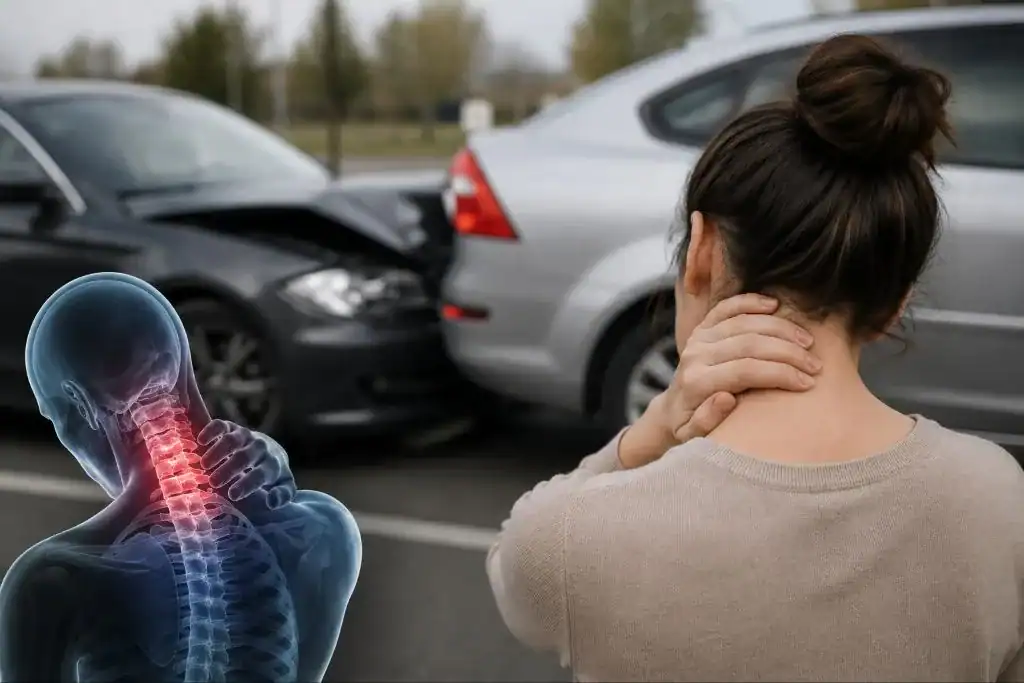
Rear-end car accidents are among the most common types of crashes, and even seemingly minor collisions can leave lasting physical effects. While many people immediately associate these accidents with whiplash, rear end collision injuries can involve much more than neck pain alone. The force created during impact can affect the spine, muscles, nerves, joints, and even the brain, sometimes leading to symptoms that take days or weeks to appear.
After an accident, seeking prompt medical evaluation is important because injuries are not always immediately obvious. Working with experienced car accident chiropractors can help identify hidden injuries early and support a safer, more complete recovery.
Why Rear-End Collisions Can Cause Serious Injuries
A rear-end collision creates a sudden force that pushes the body forward while the head and spine struggle to keep up with the movement. Even at lower speeds, this rapid motion can place intense stress on muscles, ligaments, discs, and joints throughout the body.
During impact, the neck is often forced backward and then forward in a snapping motion. At the same time, the lower back, shoulders, and hips absorb pressure from the seat and seat belt. These movements can lead to both immediate injuries and delayed inflammation that becomes more noticeable over time.
One reason people underestimate rear-end accidents is because symptoms are often delayed. Adrenaline released during a crash can temporarily mask pain, making injuries seem less severe at first. As inflammation increases in the hours or days following the accident, stiffness, soreness, headaches, or nerve-related symptoms may begin to develop.
Whiplash Is Common, but It Is Not the Only Injury
Whiplash is one of the most recognized injuries after a rear-end accident. It occurs when the head and neck are suddenly whipped back and forth beyond their normal range of motion. This can strain muscles, ligaments, tendons, and joints in the neck.
Common symptoms of whiplash include:
- Neck stiffness and soreness
- Pain that worsens with movement
- Headaches near the base of the skull
- Reduced range of motion
- Shoulder discomfort
- Fatigue or dizziness
Some people notice symptoms within hours, while others may not experience discomfort until several days later. Because delayed symptoms are common, ongoing pain should never be ignored simply because it did not begin immediately after the collision.
If you are unsure whether your symptoms may be related to whiplash, learn more about the common warning signs in our blog, Check These Signs of Whiplash After a Car Accident.
Although whiplash is frequently discussed after rear-end accidents, many other injuries can occur at the same time.
Other Rear-End Collision Injuries That May Develop

Back Injuries and Herniated Discs
The spine absorbs a large amount of force during a collision. This pressure can cause spinal discs to bulge or rupture, leading to herniated discs in the neck or lower back. When discs press against nearby nerves, pain may radiate into the arms, hips, or legs.
Lower back injuries can also contribute to sciatica symptoms, including tingling, numbness, or burning pain that travels down the leg. In some cases, spinal misalignments may develop after impact, placing additional stress on muscles and joints and affecting normal movement.
Concussions and Head Injuries
A concussion does not always require hitting your head against a window or steering wheel. The sudden movement of the brain inside the skull during a crash can still create a mild traumatic brain injury. Symptoms may include headaches, confusion, nausea, sensitivity to light, difficulty concentrating, or memory problems.
Because concussion symptoms may appear gradually, many people do not realize they are injured until hours or days later. Ignoring these symptoms can increase the risk of prolonged recovery and ongoing discomfort.
READ: How to Recognize a Concussion After a Car Accident: Warning Signs to Watch
Shoulder Injuries
Shoulder pain is another common issue after rear-end accidents. The seat belt restrains the body during impact, which can strain muscles, ligaments, and shoulder joints. Some individuals develop inflammation or rotator cuff injuries that make it painful to lift objects, reach overhead, or sleep comfortably.
Even mild shoulder injuries can interfere with daily tasks and become more difficult to manage when left untreated.
Soft Tissue Injuries and Nerve Irritation
Soft tissue injuries involve damage to muscles, tendons, and ligaments. These injuries are common in rear-end collisions because the body is suddenly forced beyond its normal limits. Swelling, tightness, tenderness, and reduced mobility may develop over time as the body responds to trauma.
Inflammation and spinal injuries can also place pressure on nearby nerves. This may cause radiating pain, numbness, tingling sensations, or weakness in the arms and hands. Nerve-related symptoms often indicate deeper irritation that should be professionally evaluated.
Jaw Pain and TMJ Problems
Many people tense or clench their jaw during a collision without realizing it. The force of impact can strain the jaw joint, also known as the temporomandibular joint (TMJ). This may lead to jaw soreness, facial pain, headaches near the temples, clicking sounds, or difficulty chewing.
Jaw discomfort is sometimes overlooked after a car accident, even though it can significantly affect daily comfort and quality of life.
Symptoms You Should Never Ignore After a Rear-End Accident
Some soreness after a collision may improve naturally, but certain symptoms can indicate more serious injuries that require professional attention. Delaying treatment may allow inflammation and structural problems to worsen over time.
Seek medical evaluation if you experience:
- Persistent neck or back pain
- Numbness, tingling, or weakness in the limbs
- Severe headaches, dizziness, or difficulty concentrating
Even symptoms that seem manageable at first can develop into chronic pain or long-term mobility issues if underlying injuries remain untreated.
How Chiropractic Care Can Help After a Rear-End Collision
After a car accident, treatment should focus not only on symptom relief but also on restoring healthy movement and supporting the body’s healing process. Seeking care from experienced car accident chiropractors can help identify underlying injuries and create a personalized recovery plan. Treatment options may include:
- Chiropractic adjustments to restore spinal alignment, reduce pressure on irritated nerves, improve mobility, and ease tension throughout the body
- Spinal decompression therapy for disc injuries or nerve compression, gently relieving pressure on spinal discs and promoting better circulation to damaged tissues
- Active rehabilitation exercises to strengthen supporting muscles, improve flexibility, restore normal movement patterns, and reduce the risk of future pain or reinjury
- On-site X-rays and diagnostic evaluation to identify hidden injuries and provide insight into spinal alignment, joint injuries, and structural damage that may not be obvious during a physical exam
- Drug-free pain management that supports the body’s natural healing abilities rather than relying on medication to mask symptoms
Supporting Your Recovery at Home
Professional treatment is important after a rear-end collision, but healthy habits at home can also support recovery. Applying ice during the early stages may help reduce inflammation, while heat therapy later can relax tight muscles and improve circulation.
Remaining gently active is often more beneficial than prolonged inactivity. Light movement and stretching, when recommended by a healthcare provider, can help prevent stiffness and support mobility during recovery. Paying attention to posture, staying hydrated, and avoiding heavy lifting may also help reduce strain on injured areas.
Following your treatment plan consistently gives your body the best opportunity to heal properly and regain normal function over time.
When Immediate Medical Attention Is Necessary
Some symptoms after a rear-end collision may indicate a more serious injury that requires emergency care. Prompt evaluation is especially important when symptoms involve the nervous system, breathing, or major physical changes.
Seek immediate medical attention if you experience:
- Loss of consciousness or trouble walking
- Difficulty breathing or severe chest pain
- Loss of bladder or bowel control or sudden paralysis
These symptoms may indicate significant spinal, neurological, or internal injuries that should never be ignored.
Recover from Rear-End Collision Injuries with Affordable Chiropractic Killeen
Rear-end accidents can cause far more than whiplash alone. Injuries affecting the back, nerves, shoulders, soft tissues, jaw, and head may develop immediately or appear gradually over time. Recognizing symptoms early and seeking professional care can make a major difference in your recovery and long-term comfort.
At Affordable Chiropractic Killeen, we understand how stressful life after a car accident can feel. Through comprehensive evaluations and customized treatment plans, we work to relieve pain, improve mobility, and encourage lasting recovery. Our team understands the physical and emotional challenges that can follow a car accident, and we are committed to supporting you throughout the healing process.
If you are experiencing pain or stiffness after a rear-end collision, do not wait for symptoms to worsen. Contact us today to schedule an appointment and begin your recovery journey.