
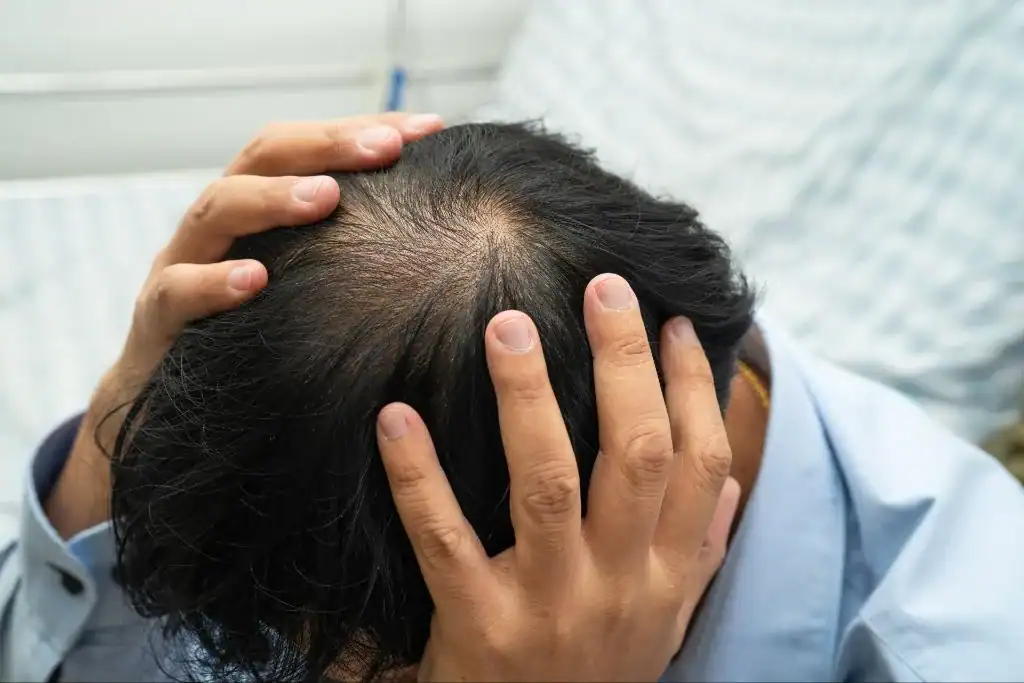
A sore head after car accident injuries is more common than many people realize. Even if you did not hit your head directly, the sudden force of a collision can strain muscles, joints, and nerves connected to the head and neck, often leading to persistent headaches that require proper evaluation and treatment. For someone already dealing with pain, insurance issues, and stress, lingering head soreness can feel confusing and alarming.
Understanding what causes post-accident head soreness, what headache treatment options may help, and knowing when it signals something more serious can help you take the right next steps for your health and recovery.
Why Your Head Feels Sore After a Car Accident
Car accidents place intense forces on the body in a very short time. These forces can affect areas that influence head pain, even without visible injury.
Whiplash and Neck Strain
Whiplash occurs when the head snaps forward and backward suddenly. This motion can strain muscles, ligaments, and joints in the neck, leading to soreness that radiates into the head. Many people notice stiffness, reduced range of motion, and a dull ache at the base of the skull.
Learn more about how specialists address these injuries through focused care on our whiplash treatment page.
Muscle Tension and Inflammation
After an accident, muscles often tighten as a protective response. Tight muscles in the neck, shoulders, and upper back can create tension that feels like head soreness or pressure. Inflammation from soft tissue injuries may also contribute to ongoing discomfort.
Cervical Spine Misalignment
The cervical spine plays a key role in supporting the head and protecting nerves. A collision can cause subtle misalignments in the neck that irritate nerves or restrict movement, resulting in soreness that spreads upward into the head.
What’s Considered Normal After an Accident
Some head soreness can be part of the body’s natural response to trauma. Common and often expected symptoms include:
- Mild to moderate soreness that starts within a day or two of the accident
- Tightness at the base of the skull or along the sides of the head
- Head discomfort paired with neck stiffness or shoulder tension
- Symptoms that gradually improve with rest and appropriate care
Even when symptoms seem mild, they should still be documented and evaluated, especially after a car accident.
Signs That Head Soreness Is Not Normal
While some soreness is expected, certain symptoms indicate a more serious issue that requires medical evaluation. These include:
Worsening or Persistent Pain
If your head soreness increases over time rather than gradually improving, it may indicate underlying injuries such as nerve compression, cervical spine misalignment, or soft tissue damage that is not resolving naturally.
Severe or Sharp Headache
Intense, stabbing, or throbbing pain is a warning sign. Unlike general soreness, this type of headache can be caused by cervical nerve irritation, occipital neuralgia, or even concussion-related injuries.
READ: Headaches After a Car Accident: What It Means & How to Help
Neurological Symptoms
Watch for symptoms affecting your brain or nervous system, such as:
- Dizziness or loss of balance
- Confusion or memory lapses
- Numbness or tingling in the arms, hands, or fingers
These may signal nerve involvement, mild traumatic brain injury, or other complications that need immediate attention.
Visual Disturbances
Blurred or double vision, light sensitivity, or sudden difficulty focusing can indicate head or neck trauma affecting the optic nerves or brain function. These symptoms are not typical for minor soreness and require prompt evaluation.
Nausea and Vomiting
Headaches accompanied by nausea or vomiting can be a sign of post-traumatic injury, concussion, or increased intracranial pressure. These symptoms should never be ignored, even if the head was not directly impacted.
Sleep Disturbances and Fatigue
Persistent headaches affecting your ability to sleep or causing extreme fatigue may point to ongoing cervical or neurological issues that need medical assessment.
Combination of Symptoms
The presence of multiple warning signs—pain, dizziness, visual changes, and nausea together, is a red flag for more serious injury. Seeking professional care ensures proper diagnosis and reduces the risk of long-term complications.
How Post-Accident Head Soreness Is Evaluated
Proper evaluation helps identify the source of pain and guides effective treatment.
Accident History Review
Providers begin by discussing how the accident occurred, including the direction of impact, speed, and when symptoms started. This context helps narrow down potential injury patterns.
Physical and Neurological Examination
Range of motion, muscle tension, posture, and reflexes are assessed to identify areas of strain, nerve irritation, or imbalance affecting the head and neck.
Imaging When Necessary
X-rays or other imaging may be recommended to check for spinal misalignment, joint issues, or other structural concerns that could be contributing to head soreness.
Treatment Options for a Sore Head After a Car Accident

If head soreness is lingering after a crash, the goal is to choose care that supports healing and improves function over time. The options below are commonly used for collision-related headaches because they target the structures most often affected after an impact, and they can be combined depending on your symptoms, exam findings, and how your recovery is progressing.
Chiropractic Care
Chiropractic treatment can help restore proper alignment in the cervical spine, reduce nerve pressure, and improve mobility. This approach is commonly used for car accident injuries because it targets the mechanical issues behind head soreness.
Soft Tissue Therapy
Techniques that address tight or injured muscles can improve circulation, reduce inflammation, and relieve tension contributing to head discomfort.
Corrective Exercises and Rehabilitation
Targeted stretches and strengthening exercises help stabilize the neck and upper back, supporting long-term recovery and reducing the risk of recurring pain.
Lifestyle and Recovery Support
Hydration, proper sleep, posture awareness, and stress management all play a role in healing after an accident and can influence how long head soreness lasts.
Sore Head After a Car Accident Care at Affordable Chiropractic Killeen
At Affordable Chiropractic Killeen, we understand how overwhelming life can feel after a car accident. If you are dealing with head soreness, neck pain, or related symptoms, our team focuses on identifying the cause and creating a treatment plan that supports real recovery.
We provide chiropractic care, accident injury treatment, and supportive therapies designed to help you feel better and move forward with confidence. Contact us today to schedule an appointment and learn how we can help you recover after a car accident.