

A herniated disc from a car accident is a serious spinal injury that can disrupt daily life if left untreated. The force of a collision places sudden stress on the spine, often exceeding what spinal discs are designed to absorb. Even low-speed accidents can cause discs to shift, bulge, or rupture, leading to pain and nerve irritation that may worsen over time.
Understanding how a herniated disc develops after a crash, recognizing early symptoms, and pursuing proper care can significantly improve recovery outcomes. With timely evaluation and targeted treatment, many people are able to reduce pain, restore mobility, and prevent long-term complications.
How a Car Accident Can Cause a Herniated Disc
During a car accident, the spine is subjected to abrupt movements such as forward thrusting, twisting, or compression. These forces can damage the intervertebral discs that sit between each vertebra and act as shock absorbers. When the outer disc layer weakens or tears, the inner material can protrude and irritate nearby nerves.
A herniated disc from a car accident commonly occurs in the neck or lower back because these regions absorb the most impact. Symptoms may appear immediately or develop gradually as inflammation increases. This delayed onset often leads people to underestimate the severity of their injury.
Symptoms of a Herniated Disc After a Car Accident
Symptoms vary depending on the location and severity of the disc injury. Some individuals experience constant discomfort, while others notice pain only with movement or prolonged sitting.
Common Physical Symptoms
- Localized neck or back pain that persists or worsens
- Pain radiating into the arms, shoulders, hips, or legs
- Tingling or numbness along nerve pathways
- Muscle weakness that affects grip strength or walking
- Reduced flexibility or stiffness in the spine
Neurological Warning Signs
- Loss of sensation in the extremities
- Difficulty maintaining balance
- Changes in reflexes
- Sharp pain with bending or twisting motions
Because these symptoms can overlap with other accident-related injuries, professional evaluation is essential to identify the true source of pain.
Diagnosing a Herniated Disc From a Car Accident
Accurate diagnosis plays a critical role in effective treatment. Chiropractors and medical providers begin with a detailed assessment of symptoms, accident history, and physical function. This includes posture evaluation, range-of-motion testing, and neurological screening.
Imaging and Diagnostic Tools
- X-rays help identify spinal misalignments or structural damage
- MRI scans provide detailed images of discs, nerves, and soft tissues
- CT scans may be used when additional clarity is needed
These tools confirm whether disc material is pressing on nerves and guide the development of a personalized care plan. Early diagnosis also helps prevent worsening nerve compression.
Treatment Options for a Herniated Disc From a Car Accident
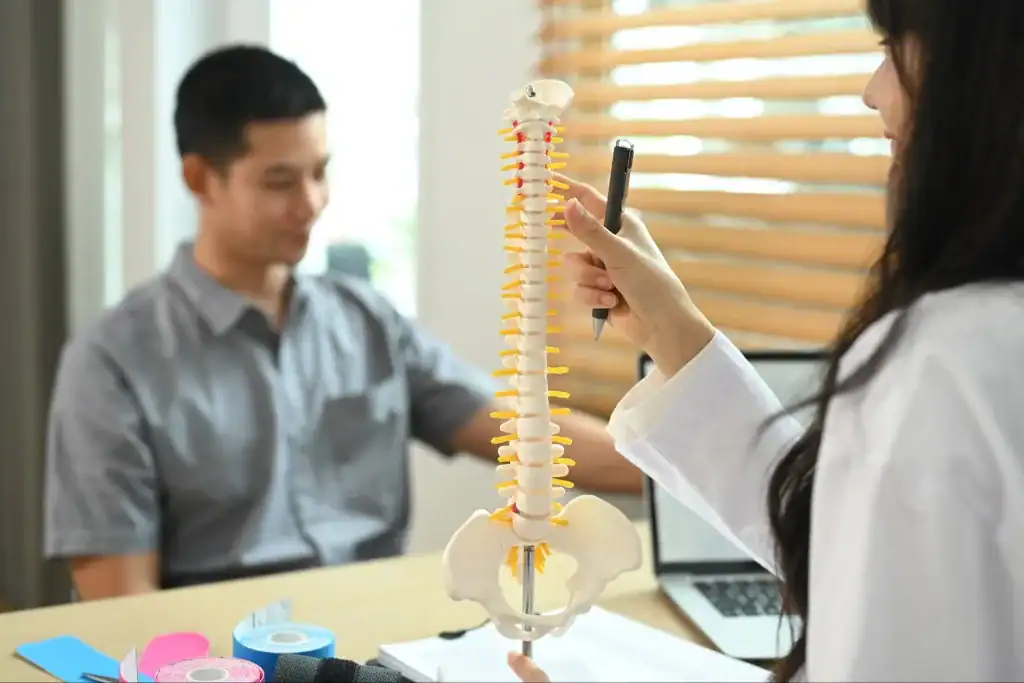
Treatment focuses on reducing pressure on the injured disc, easing nerve irritation, and supporting natural healing. Most people respond well to conservative, non-surgical approaches.
Chiropractic Care After a Car Accident
Chiropractic care addresses spinal alignment issues that contribute to disc stress. Gentle adjustments help improve joint motion and reduce inflammation around the injured area. Working with experienced car accident chiropractors ensures care is tailored to trauma-related injuries.
Spinal Decompression Therapy
Spinal decompression therapy uses controlled traction to relieve pressure within the disc. This creates space for bulging material to retract and promotes circulation to damaged tissues, supporting disc recovery.
Targeted Rehabilitation
Rehabilitation exercises strengthen supporting muscles and improve stability. These programs focus on restoring proper movement patterns and preventing reinjury once pain begins to subside.
Medication and Medical Support
In some cases, short-term pain management may be recommended alongside chiropractic care. Surgery is rarely required and typically considered only when conservative methods do not provide relief.
For comprehensive care, many patients benefit from specialized herniated disc treatment designed to address both pain and functional limitations.
What Recovery Looks Like After a Herniated Disc Injury
Recovery timelines differ depending on injury severity, overall health, and consistency of care. Most people experience gradual improvement with appropriate treatment.
Early Phase
Initial care focuses on pain control and reducing inflammation. Activities may be modified to avoid aggravating the injury while healing begins.
Rehabilitation Phase
As symptoms improve, treatment shifts toward restoring mobility and strength. Guided exercises help rebuild spinal support and improve posture.
Long-Term Maintenance
Ongoing chiropractic care and healthy movement habits help maintain spinal health. Patients are often advised on ergonomics, lifting techniques, and lifestyle adjustments to protect the spine.
Consistent care during each phase reduces the risk of chronic pain and recurring disc issues.
When to Seek Care After a Car Accident
Any persistent back or neck pain following a collision should be evaluated promptly. Waiting too long can allow inflammation and nerve compression to worsen, making recovery more difficult.
Seeking early care not only supports physical healing but also provides documentation that may be important when injuries are accident-related.
Discover Trusted Care for Herniated Disc Injuries at Chiropractic Kleen
At Chiropractic Kleen, our team is dedicated to helping patients recover from a herniated disc from a car accident through focused, evidence-based chiropractic care. We provide thorough evaluations, advanced treatment options, and personalized recovery plans designed to restore comfort and function.
Our team understands the complexities of accident-related spinal injuries and works closely with each patient to support long-term healing. If you are experiencing symptoms after a car accident, call today to schedule an evaluation with Affordable Chiropractic Killeen and take the next step toward relief and recovery.