
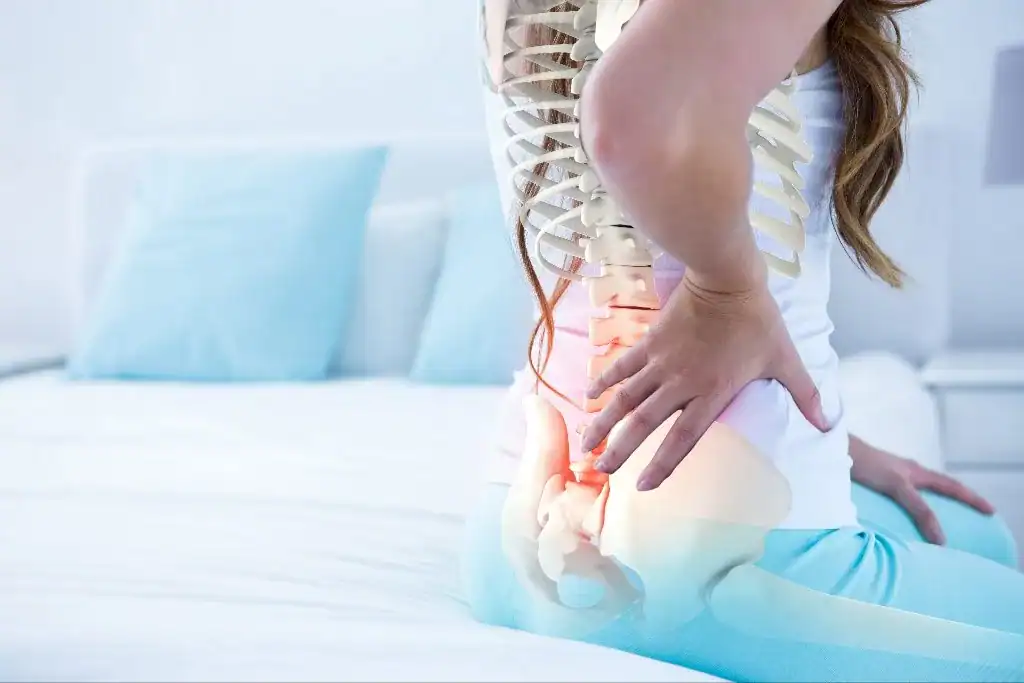
Lower back pain after a car accident can appear right away or develop with time as inflammation increases and muscles tighten. Even if the crash feels minor, the spine absorbs force that can strain tissues, stress discs, and irritate nerves. Many people assume soreness will fade with rest, but lower back pain after a collision may point to injury inside the muscles, joints, or spine that benefits from targeted treatment.
Chiropractic care supports recovery by improving spinal alignment, calming inflammation, and restoring healthy movement. When the spine is guided back into balance, muscles relax, and nerves function more comfortably, which reduces lingering discomfort and protects long-term mobility.
Understanding the causes of lower back pain after a car accident helps you know when to seek care and what recovery steps matter most.
Why Lower Back Pain Can Appear After a Collision
During a crash, the body experiences sudden forward and backward motion. This force travels through the spine, straining tissues that stabilize your lower back. Pain may not be immediate because adrenaline can mask symptoms. Once the nervous system settles and swelling develops, soreness becomes more noticeable.
Lower back pain after an accident should always be taken seriously. Early evaluation supports faster healing and lowers the chance of chronic discomfort.
Read: Back Pain After a Car Accident? Here’s What You Need to Know
Common Causes of Lower Back Pain After Car Accidents
Soft Tissue Strains and Sprains
Sudden force stretches the muscles and ligaments supporting the spine. These tissues can develop micro-tears that lead to swelling, stiffness, and aching pain. Strains often feel worse the morning after the crash or after long periods of sitting. Gentle movement and guided care help reduce stiffness and protect the healing tissue.
Whiplash to the Lower Back
Whiplash is usually associated with the neck, but the force that snaps the spine can also stress the lower back. The body works to stabilize the torso during impact, and that tension can create soreness across the lumbar muscles. People may feel deep tightness, pulling sensations, and discomfort with bending or lifting.
Herniated or Bulging Discs
The discs between the vertebrae can shift or tear under sudden pressure. When a disc presses on nearby nerves, pain may travel through the hips or legs, and numbness or tingling might appear in the feet or toes. Disc injuries sometimes take time to show symptoms because swelling builds gradually.
Facet Joint Irritation
Facet joints are the small joints at the back of the spine that help control bending and twisting. A collision can jam or twist these joints, leading to inflammation and sharp pain during movement. People often feel aching near the spine and discomfort when arching the back or turning the torso.
Compression Fractures
High-force impacts can cause tiny cracks in the vertebrae. Sometimes pain begins as soreness and becomes sharper with walking or standing. While less common, fractures require prompt attention to avoid worsening strain on the spine.
Sciatic Nerve Irritation
Inflammation or disc pressure can irritate the sciatic nerve, which runs from the lower back down the legs. Sciatica often feels like burning or shooting pain with occasional numbness or tingling. Early treatment supports nerve healing and helps maintain strength and mobility.
Symptoms That Should Not Be Ignored
Lower back soreness can feel subtle at first, but certain symptoms point to deeper injury. Pay attention to:
• Pain that increases instead of improving
• Difficulty standing or bending
• Pain that radiates down one leg
• Tingling, numbness, or leg weakness
• Limited motion from stiffness
• Difficulty sitting or standing for long periods
Seek immediate care if there are changes in bowel or bladder control or sudden, severe weakness.
Helpful Steps to Support Your Lower Back Injury Recovery
Gentle Movement
Short walks and light stretching help reduce stiffness and encourage healthy circulation. Still, avoid heavy lifting and intense workouts until cleared by a provider.
Ice Followed by Heat
Use ice during the first two to three days to limit swelling. After swelling calms, gentle heat can relax tense muscles and restore comfort.
Posture Awareness
Maintaining a supportive posture protects healing tissues and reduces strain on the lower spine. Simple adjustments like using lumbar support and avoiding slouching help ease discomfort.
Hydration and Rest
Water supports healthy tissue recovery and proper sleep gives the body time to heal. Both support a smoother recovery process.
Seek Evaluation Early
An exam helps determine what structure is injured so care can be tailored to your needs. Early treatment helps reduce stiffness, support alignment, and prevent future flare-ups.
How Chiropractic Care Helps Lower Back Pain After Car Accidents
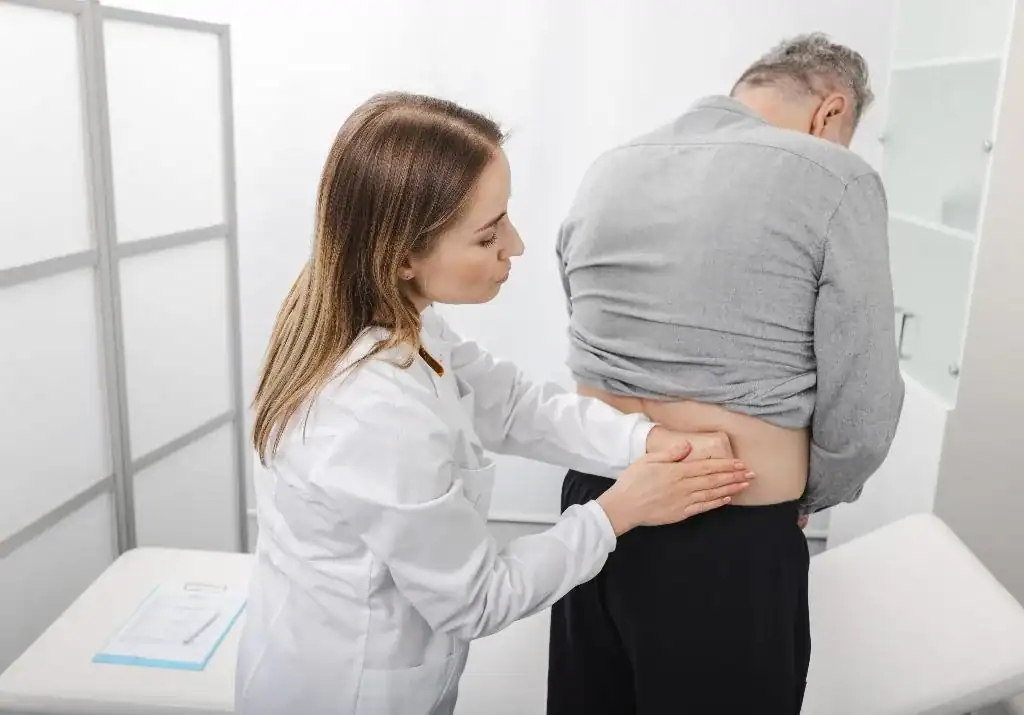
Chiropractic care for back pain focuses on bringing the spine into natural alignment and supporting the body’s healing process. When the spine moves correctly, stress on nerves and muscles decreases, allowing inflammation to settle. Treatment may include:
• Gentle spinal adjustments
• Soft tissue techniques
• Guided stretching and stabilization
• Posture and movement support
These approaches help restore motion, reduce pain, and protect long-term mobility. Many people notice improvement in daily comfort, flexibility, and strength as recovery progresses.
Find Relief from Lower Back Pain at Affordable Chiropractic Killeen
Lower back pain after a car accident often comes from hidden soft tissue strain, disc irritation, or swelling around sensitive nerves. With timely evaluation and guided care, many people experience steady relief and return to normal movement with confidence.
At Affordable Chiropractic Killeen, we understand how frustrating and limiting post-accident pain can feel. Our approach focuses on gentle chiropractic adjustments, spinal decompression, and supportive therapies designed to ease pressure, restore mobility, and encourage natural healing. We tailor each care plan to your specific symptoms so your recovery feels structured and supported.
If you are dealing with lower back pain after a car accident, taking action early helps protect long-term spinal health. Schedule an appointment today and let our team help you move forward with comfort and stability.